

Expert Tips for BMW Electrical Repair: Keep Your Luxury Vehicle Running Smoothly
BMWs are known for their smooth rides and high-tech features, but let’s be honest—keeping all those electronics in check can be a challenge. From the battery to the sensors, your car’s electrical system is like its nervous system, and when something goes wrong, it can throw everything out of whack. Whether you’re dealing with a battery that just won’t hold a charge or a sensor that’s gone haywire, understanding how to handle these problems is key to keeping your BMW running like it should.
Key Takeaways
- Regular maintenance is essential to avoid electrical issues in your BMW.
- Inspect your battery and alternator frequently for wear or damage.
- Address small electrical problems early to prevent bigger, costlier repairs.
- Use only genuine BMW parts for replacements to ensure compatibility.
- When in doubt, consult a BMW-certified technician for complex repairs.
Understanding the BMW Electrical System
Key Components and Their Functions
The electrical system in a BMW is like the nervous system of the car—it keeps everything running smoothly. Here are the main components:
- Battery: This is the powerhouse. It supplies the energy to start the engine and powers accessories like lights and the radio when the car isn’t running.
- Alternator: Once the engine is on, the alternator takes over, recharging the battery and providing electricity for the car’s systems.
- Starter Motor: This little guy gets the engine going when you turn the key or press the start button.
- Wiring and Sensors: These connect everything, sending signals and power where it’s needed. Sensors monitor things like fuel levels and engine performance.
- Control Units: Think of these as mini computers. They manage systems like the infotainment, climate control, and even engine performance.
How the System Powers Your Vehicle
The process starts with the battery. When you start your car, the battery sends power to the starter motor, which cranks the engine. Once the engine is running, the alternator kicks in, keeping the battery charged and powering electrical components. Sensors and control units work in the background, ensuring everything runs efficiently and safely. Without a properly functioning electrical system, even the most powerful engine is useless.
Common Signs of Electrical Issues
Spotting electrical problems early can save you a lot of headaches. Here’s what to watch for:
- Dashboard Warning Lights: If you see the battery light or check engine light, don’t ignore it.
- Starting Problems: If the car struggles to start or makes clicking sounds, it could be the battery or starter motor.
- Dimming or Flickering Lights: This might mean the alternator isn’t doing its job.
- Unresponsive Electronics: If the infotainment system or other features aren’t working, it could be a wiring or control unit issue.
A well-maintained electrical system is key to keeping your BMW reliable and enjoyable to drive. Pay attention to the signs, and don’t hesitate to address issues promptly.
Diagnosing Electrical Problems in Your BMW
Inspecting the Battery and Connections
The battery is the starting point for diagnosing any electrical issue in your BMW. A weak or dead battery is often the root cause of many problems. Here’s how you can check it:
- Use a multimeter to test the battery voltage. A healthy battery should read around 12.6 volts when the vehicle is off.
- Look for corrosion on the terminals. This can block the flow of electricity and lead to starting issues.
- Ensure the battery connections are tight and secure. Loose terminals can mimic the symptoms of a failing battery.
Testing the Alternator for Proper Function
The alternator is responsible for charging your battery and powering the car’s electrical systems while the engine is running. If your BMW’s headlights dim or you hear unusual noises, the alternator might be failing. To test:
- Start the car and measure the voltage at the battery terminals. It should read between 13.8 and 14.2 volts.
- Check for warning lights on the dashboard, like the battery or charging system light.
- Listen for whining or grinding noises, which could indicate a worn-out alternator bearing.
For in-depth guidance, learn to identify and resolve BMW alternator issues with professional tips.
Identifying Wiring and Sensor Issues
BMWs rely on a network of sensors and wiring to manage everything from engine performance to safety features. Damaged wiring or faulty sensors can disrupt these systems. Focus on:
- Inspecting high-use areas like the engine bay and doors for frayed or pinched wires.
- Checking connectors for looseness or corrosion, especially in areas exposed to moisture.
- Using a diagnostic tool to scan for error codes related to sensors, which can pinpoint the exact issue.
Electrical problems can feel overwhelming, but breaking the process into manageable steps makes it easier to tackle. If you’re unsure, don’t hesitate to consult a professional.
Common Electrical Issues in BMW Vehicles
Battery Drain and Its Causes
A frequent headache for BMW owners is unexpected battery drain. This could happen because of a failing alternator, electronic systems that fail to shut down properly, or even something as simple as leaving interior lights on. Signs include a car that struggles to start or dashboard warning lights that refuse to turn off. If left unchecked, a drained battery can leave you stranded.
Alternator Failures and Symptoms
The alternator plays a vital role in keeping your car’s battery charged and powering the electrical systems while the engine runs. When it starts to fail, you might notice dimming headlights, flickering dashboard lights, or strange noises coming from the engine bay. Ignoring these symptoms can lead to a complete electrical system failure.
Malfunctioning Sensors and Electronics
Modern BMWs rely on a network of sensors to keep everything running smoothly, from engine performance to parking assistance. When these sensors malfunction, it can cause erratic behavior, such as inaccurate readings or warning lights on the dashboard. Common culprits include faulty wiring or outdated software. In some cases, issues may even stem from electrical wiring problems that disrupt power to components like windows or door locks.
A well-maintained electrical system ensures your BMW performs as it should, offering the luxury and reliability you expect.
Preventive Maintenance for BMW Electrical Systems
Regular Battery and Alternator Checks
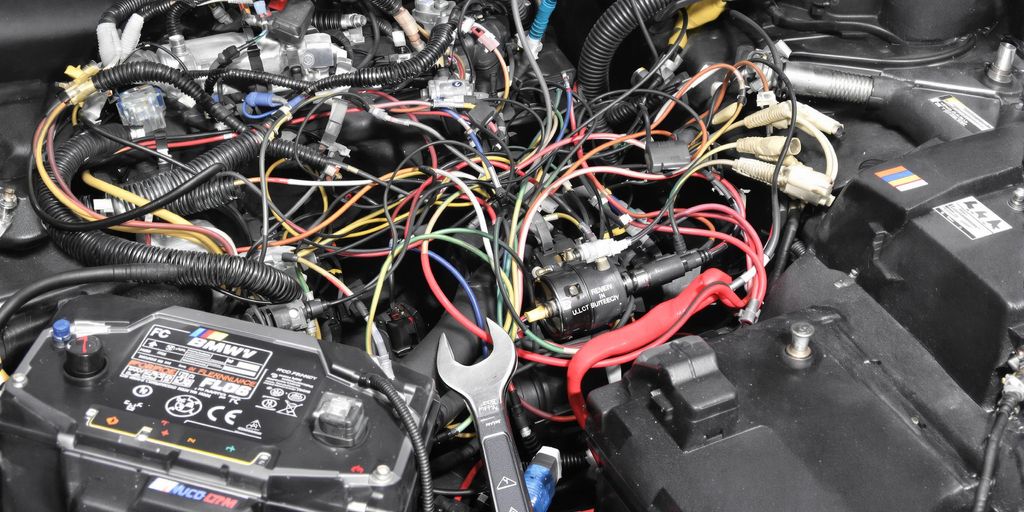
Keeping your BMW’s battery and alternator in good shape is one of the easiest ways to avoid electrical headaches. Check the battery terminals for corrosion and ensure they’re tightly connected. A weak battery can lead to bigger issues, like alternator strain or trouble starting the car. Make it a habit to test the battery voltage—many auto parts stores will do this for free. For the alternator, listen for odd noises or watch for warning lights on your dashboard. Dimming headlights? That’s a red flag to get it inspected.
Protecting Electrical Components from Moisture
Water and electronics don’t mix, and your BMW’s electrical system is no exception. Avoid driving through deep water or leaving your car exposed to heavy rain for long periods. Moisture can lead to shorts, corrosion, or even failure of key components. If you notice condensation inside light housings or near wiring, address it immediately. Parking in a garage or using a car cover can also help keep things dry.
Using Genuine BMW Parts for Repairs
When something does go wrong, don’t cut corners. Always use genuine BMW parts for any electrical repairs. Aftermarket components might save you money upfront, but they can cause compatibility issues or fail prematurely. Authentic parts are designed to work seamlessly with your car’s systems, ensuring reliability and performance. Plus, they often come with warranties, giving you peace of mind.
Expert Tips for Maintaining BMW Electrical Systems
Driving Habits That Preserve Battery Life
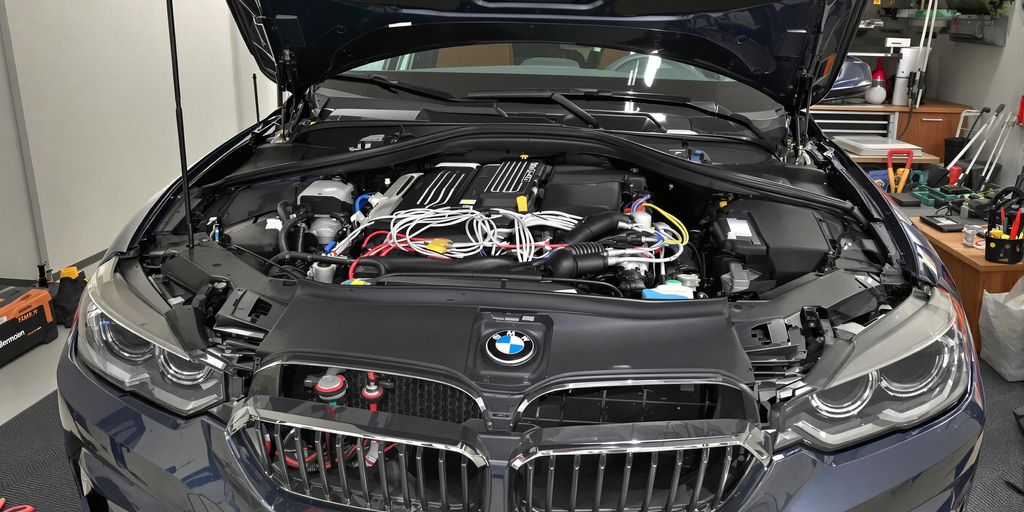
Your driving habits play a big role in keeping your BMW’s battery healthy. Avoid frequent short trips, as these can prevent the alternator from fully charging the battery. Aim to drive for at least 15-20 minutes regularly to maintain optimal charge levels. If your car sits idle for long periods, consider investing in a battery maintainer to keep it charged and ready to go.
Scheduling Regular Professional Inspections
Routine inspections by a BMW-certified technician can save you from costly repairs down the road. These experts have the tools and knowledge to spot potential issues early, whether it’s a loose connection or a failing sensor. Make it a habit to include electrical system checks during your scheduled vehicle maintenance.
Updating Software for Optimal Performance
BMW frequently releases software updates to improve vehicle performance and address known issues. Staying up to date ensures your car’s systems run smoothly and efficiently. Schedule these updates during your regular service visits or as recommended by your technician.
Keeping your BMW’s electrical system in top shape not only enhances performance but also prevents unnecessary headaches. A little effort now can save you from major issues later.
Bonus Tip
For regular battery maintenance, clean the terminals and check voltage levels periodically. It’s a simple step that can prevent unexpected breakdowns and keep your BMW running smoothly.
When to Seek Professional Help for Electrical Repairs
Recognizing Complex Electrical Problems
Sometimes, BMW electrical issues can go beyond what you can handle at home. If your dashboard lights are lit up like a Christmas tree, or your car won’t start despite a healthy battery, it’s time to call in the pros. Sophisticated systems like control modules or intricate wiring setups often need specialized attention. Attempting to fix these yourself could lead to more damage.
Benefits of BMW-Certified Technicians
BMW-certified technicians are trained to work specifically on your luxury vehicle. They have access to tools and software that aren’t available to just anyone. For example, they can reprogram malfunctioning control modules or diagnose issues with advanced sensors. Choosing a certified technician ensures your car gets the right fix the first time.
Using Advanced Diagnostic Tools
Modern BMWs rely heavily on software and electronics, which means traditional repair tools just won’t cut it. Professional repair shops use advanced diagnostic equipment to pinpoint electrical issues quickly and accurately. If you notice unusual smells, like a sweet, syrupy odor, it could mean alternator trouble. Regularly inspect beneath your car for leaks and let a professional handle the rest.
Don’t let complex electrical issues stress you out. Sometimes, the best solution is to let an expert take over. It saves you time, money, and a lot of frustration in the long run.
Wrapping It Up
Taking care of your BMW’s electrical system doesn’t have to be overwhelming. A little attention here and there—like checking the battery, keeping an eye on warning lights, and scheduling regular maintenance—can go a long way. Sure, some problems might need a professional’s touch, but staying proactive can save you from bigger headaches down the road. At the end of the day, keeping your BMW in top shape means you’ll get to enjoy that smooth, luxurious ride for years to come. So, don’t wait—start giving your car the care it deserves today!
Frequently Asked Questions
What are common signs of electrical problems in a BMW?
Some signs include flickering or dimming lights, trouble starting the car, warning lights on the dashboard, and malfunctioning electronics like power windows or the infotainment system.
How often should I check my BMW’s battery and alternator?
It’s a good idea to inspect the battery and alternator at least once a year or during regular maintenance visits to ensure they’re functioning properly.
Why is my BMW’s battery draining so quickly?
A quick-draining battery could be caused by a faulty alternator, damaged wiring, or electronic systems that don’t shut off completely when the car is off.
Can I use non-BMW parts for electrical repairs?
While you can use non-BMW parts, it’s recommended to use genuine BMW parts to ensure compatibility and maintain the vehicle’s performance and reliability.
What should I do if my BMW’s alternator fails?
If the alternator fails, you may notice dim lights or a dead battery. It’s best to have it inspected and replaced by a professional mechanic as soon as possible.
When should I seek professional help for BMW electrical issues?
If the problem involves complex systems like control modules or advanced diagnostics, it’s best to consult a BMW-certified technician who has the right tools and expertise.