Find Expert BMW FRM Module Repair Near Me for Reliable Solutions
If you own a BMW, you might have heard about the FRM module, also known as the Footwell Module. This little gadget plays a big role in controlling various electrical functions in your car, from the lights to the windows. But like any part, it can run into issues over time. If you’re facing problems with your FRM module, you’re probably searching for reliable repair services nearby. In this article, we’ll explore everything you need to know about BMW FRM module repair near me, including signs of failure, how to find a trustworthy repair shop, and the benefits of professional services.
Key Takeaways
- The FRM module manages essential electrical functions in BMWs, including lighting and window operations.
- Common signs of FRM module failure include malfunctioning lights, unresponsive windows, and electrical glitches.
- Finding a reliable repair shop can involve checking local listings and reading customer reviews.
- Professional repairs ensure quality work and often come with warranties for peace of mind.
- Regular maintenance of the FRM module can prevent future issues and extend its lifespan.
Understanding The Importance Of The BMW FRM Module
The Footwell Module, or FRM, in your BMW is more important than you might think. It’s basically the brain controlling a lot of your car’s electronic functions. When it goes bad, things can get weird, fast. Let’s break down why it matters.
Role Of The FRM Module In BMW Vehicles
Think of the FRM as the central command for several key electronic features. It’s responsible for managing:
- Exterior lights (headlights, taillights, turn signals)
- Power windows
- Central locking system
- Mirror controls
Basically, anything that involves sending electrical signals to these components goes through the FRM. Without a functioning FRM, these systems can go haywire or stop working altogether. It’s a pretty big deal.
Common Issues Associated With FRM Modules
FRM modules aren’t perfect; they can and do fail. Some common problems include:
- Complete failure, leading to non-functional lights and windows.
- Corruption of the module’s software, often after a jump start or low battery situation.
- Communication errors with other control units in the car.
- Battery drain issues.
It’s worth noting that FRM failures are a known issue in certain BMW models. The good news is that there are repair options available, often more cost-effective than a full replacement. If you’re experiencing electrical issues, it’s worth getting your FRM checked out.
Signs That Indicate FRM Module Failure
How do you know if your FRM is acting up? Here are some telltale signs:
- Lights not working properly (e.g., headlights stuck on, turn signals not functioning).
- Windows not operating, or operating erratically.
- Central locking malfunctions.
- Error messages on your dashboard related to lighting or window systems.
If you notice any of these symptoms, it’s a good idea to get your BMW diagnosed. Ignoring these signs can lead to further electrical problems. If you are in West Palm Beach, consider a BMW FRM module replacement service.
Finding Reliable BMW FRM Module Repair Services
Finding a good repair shop for your BMW’s FRM module can feel like a chore. You want someone who knows BMWs inside and out, not just any mechanic. Here’s how to find a shop you can trust.
Local Repair Shops Specializing In BMW FRM Modules
Start by searching for local shops that specialize in BMWs. These places usually have technicians with the right training and tools for FRM module issues. Don’t be afraid to call around and ask if they have experience with FRM module repairs specifically. A general auto shop might not have the specialized knowledge needed. Look for shops that advertise expertise in European cars or BMWs in particular. It’s also a good idea to check online forums and local BMW clubs for recommendations.
Online Resources For Locating Repair Services
Beyond local searches, there are online resources that can help you find qualified repair services. Websites like the Better Business Bureau (BBB) and Yelp can provide information about a shop’s reputation and customer reviews. Some manufacturers also have directories of certified repair shops. You can also find specialized services that offer mail-in repair options, where you ship your FRM module to them for repair and then they ship it back. This can be a good option if you’re in a remote area or can’t find a local shop you trust.
Customer Reviews And Recommendations
Customer reviews are super important when choosing a repair shop. Pay attention to what other BMW owners are saying about their experiences. Look for patterns in the reviews – are there consistent complaints about poor communication, high prices, or unreliable repairs? Also, consider asking for recommendations from other BMW owners in your area. Online forums and social media groups dedicated to BMWs can be great places to find honest opinions and recommendations. A personal recommendation often carries more weight than a generic online review.
Choosing the right repair service is about more than just price. It’s about finding a shop that you trust to properly diagnose and repair your BMW’s FRM module. Take the time to do your research and ask the right questions, and you’ll be more likely to find a reliable solution.
Here’s a quick checklist to consider:
- Check online reviews on multiple platforms.
- Ask for recommendations from other BMW owners.
- Verify the shop’s experience with BMW FRM modules.
- Inquire about their warranty policy.
Benefits Of Professional BMW FRM Module Repair
Expert Diagnosis And Repair Solutions
When your BMW’s FRM module starts acting up, it can be tempting to just ignore it, but that’s a bad idea. Getting it professionally diagnosed is key. Professionals have the tools and knowledge to pinpoint the exact problem, whether it’s a software glitch or a hardware failure. They can tell you exactly what’s wrong, and that’s half the battle. This beats guessing and potentially making things worse. They use specialized equipment to read error codes and run tests that your average mechanic (or you) just can’t do.
Use Of High-Quality Parts And Tools
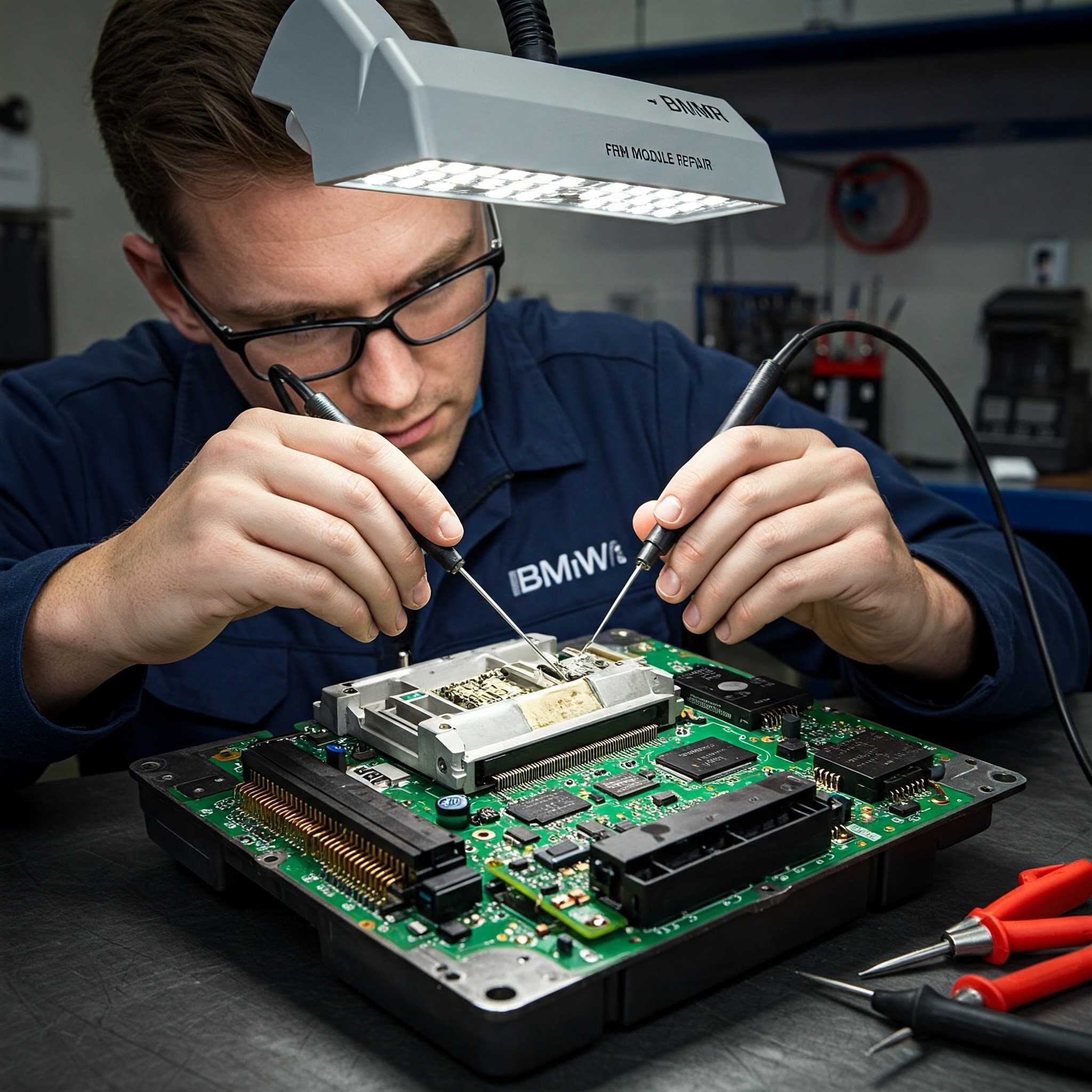
Professional repair shops don’t skimp on parts. They use high-quality components that are designed to last. This is super important because a cheap replacement part can fail quickly and cause even more problems down the road. Plus, they have the right tools for the job. Trying to fix an FRM module with the wrong tools can damage it further. It’s like trying to assemble IKEA furniture with a butter knife – not gonna end well. Using the right tools ensures the job is done correctly and efficiently. For example, they might use specialized programmers to reflash the module’s software or soldering stations to repair circuit boards. This ensures a reliable and long-lasting repair. You can trust that FRM module repair will be done right.
Time And Cost Efficiency In Repairs
Sure, DIY repairs might seem cheaper upfront, but they can end up costing you more in the long run. Professionals can often fix the problem faster and more effectively, saving you time and money. Think about it: if you mess up a DIY repair, you might have to buy a whole new module, which is way more expensive than just paying for professional service in the first place. Plus, your time is valuable. Do you really want to spend your weekend wrestling with a car part when you could be doing something you enjoy? A professional can get the job done quickly, so you can get back on the road.
Getting your BMW FRM module professionally repaired is an investment in the long-term health of your car. It ensures the job is done right, using quality parts and tools, saving you time, money, and potential headaches down the road. It’s about peace of mind knowing your car is in good hands.
DIY vs Professional Repair For BMW FRM Modules
When To Attempt DIY Repairs
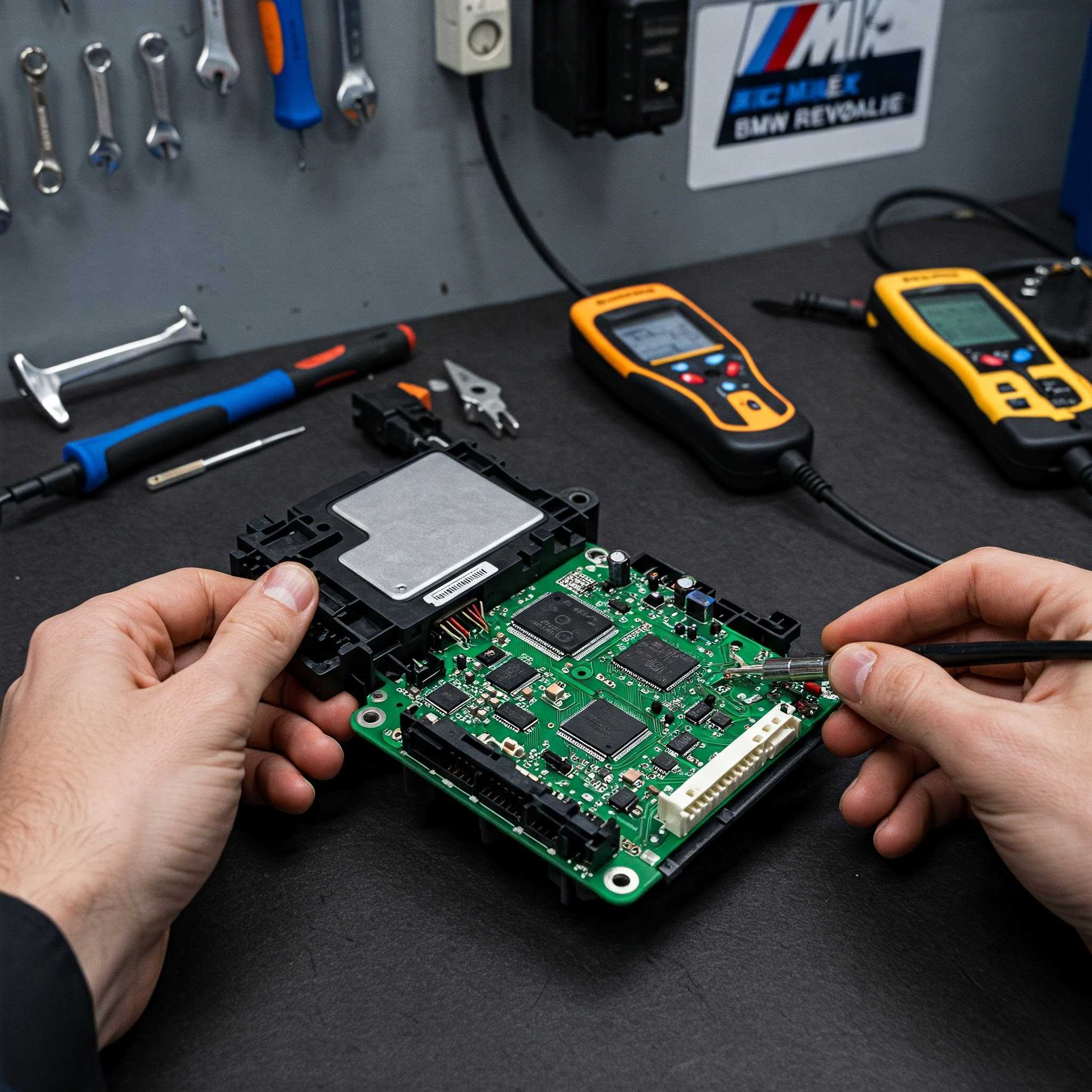
So, you’re thinking about fixing your BMW FRM module yourself? That’s cool, but let’s be real about when that’s actually a good idea. If you’re comfortable with car electronics, have some experience with soldering, and own the right diagnostic tools, then maybe, just maybe, a DIY repair is feasible. Think of it like this: changing a tire is DIY-able for most, but rebuilding an engine? Probably best left to the pros. If you’re just dealing with a simple coding issue that can be resolved with software, you might be okay. But if it involves hardware repairs, proceed with caution. Remember to check out instructions for repairing the BMW FRM3 module before you start.
Advantages Of Professional Services
Okay, let’s talk about why going to a professional for your BMW FRM module repair is often the smarter move. Professionals have the expertise and specialized equipment to accurately diagnose and fix the problem. They’ve seen it all before, so they know the common failure points and the best ways to address them. Plus, they can offer warranties on their work, giving you peace of mind. Think about it: you wouldn’t perform surgery on yourself, right? Same principle applies here. They can also offer a plug-and-play FRM repair service to restore full functionality.
Potential Risks Of DIY Repairs
Trying to fix your BMW FRM module yourself can be risky. First off, you could make the problem worse. Incorrectly soldering components or messing with the software can lead to further damage, potentially bricking the module entirely. Second, you might not have the right tools or knowledge to properly diagnose the issue, leading to wasted time and money on incorrect repairs. And third, working with car electronics can be dangerous if you don’t know what you’re doing. You could risk electrical shock or damage other components in your car. It’s a bit like trying to defuse a bomb without any training – not a great idea.
Attempting a DIY repair without proper knowledge can lead to more significant and costly damage. It’s often more economical in the long run to seek professional assistance.
What To Expect During The Repair Process
Initial Assessment And Diagnosis
So, you’re thinking about getting your BMW FRM module fixed? The first step is always figuring out what’s actually wrong. A good repair shop will start with a thorough assessment. They’ll use diagnostic tools to read the fault codes stored in your FRM module. This helps them pinpoint the exact issue, whether it’s a software glitch, a hardware failure, or something else entirely. They might also visually inspect the module for any signs of physical damage, like burnt components or corrosion. This initial diagnosis is super important because it sets the stage for the entire repair process.
Repair Techniques Used By Professionals
Once they know what’s up, the repair technicians will get to work. The specific techniques they use will depend on the problem. For software issues, they might reflash or reprogram the FRM module with updated software. This can fix glitches or bugs that are causing problems. If there’s a hardware failure, they might need to replace damaged components, like resistors, capacitors, or even the entire module. Some shops offer a plug-and-play FRM repair service, meaning you can reinstall the module right away, saving time and reducing the need for dealer intervention. Here’s a few common repair types:
- Software Reflashing
- Component Replacement
- Module Reprogramming
It’s worth noting that FRM repairs often require specialized equipment and expertise. Trying to fix it yourself without the right tools or knowledge could end up causing more damage.
Post-Repair Testing And Assurance
After the repair, the shop should test the FRM module to make sure everything is working correctly. This usually involves using diagnostic tools to check for any remaining fault codes and verifying that all the module’s functions are working as they should. They might test things like the headlights, taillights, power windows, and central locking system. A reputable shop will also offer a warranty on their repair services, giving you peace of mind that the BMW FRM module is fixed. The warranty duration depends on the specific repair performed.
Cost Factors In BMW FRM Module Repair
Average Repair Costs
The cost to repair a BMW FRM module can vary quite a bit. It’s not a one-size-fits-all situation. You might be looking at a couple hundred dollars, or it could climb higher depending on what’s wrong. The price depends on whether you need a simple FRM3 repair or a full replacement. Labor costs also play a big role, as some shops charge more per hour than others. Getting a few quotes is always a smart move.
Factors Influencing Repair Prices
Several things can affect the final bill for your BMW FRM module repair. Here’s a quick rundown:
- Type of Damage: Minor software glitches are cheaper to fix than major hardware failures.
- Module Type: Some FRM modules are more complex and thus more expensive to repair or replace.
- Parts Used: Using new, original parts will cost more than using refurbished or aftermarket options.
- Labor Rates: Different shops have different hourly rates, so shop around.
- Diagnostic Fees: Some places charge a fee just to figure out what’s wrong.
It’s worth noting that the location of the repair shop can also influence the price. Shops in bigger cities or areas with a higher cost of living tend to charge more.
Insurance Coverage For Repairs
Whether your insurance covers FRM module repair is tricky. Usually, standard wear and tear isn’t covered. However, if the module fails due to something like a power surge or an accident, you might have a shot. It really depends on your specific policy and the circumstances. It’s always a good idea to check with your insurance company to see what they say. Don’t assume it’s not covered without asking!
Maintaining Your BMW FRM Module
Regular Maintenance Tips
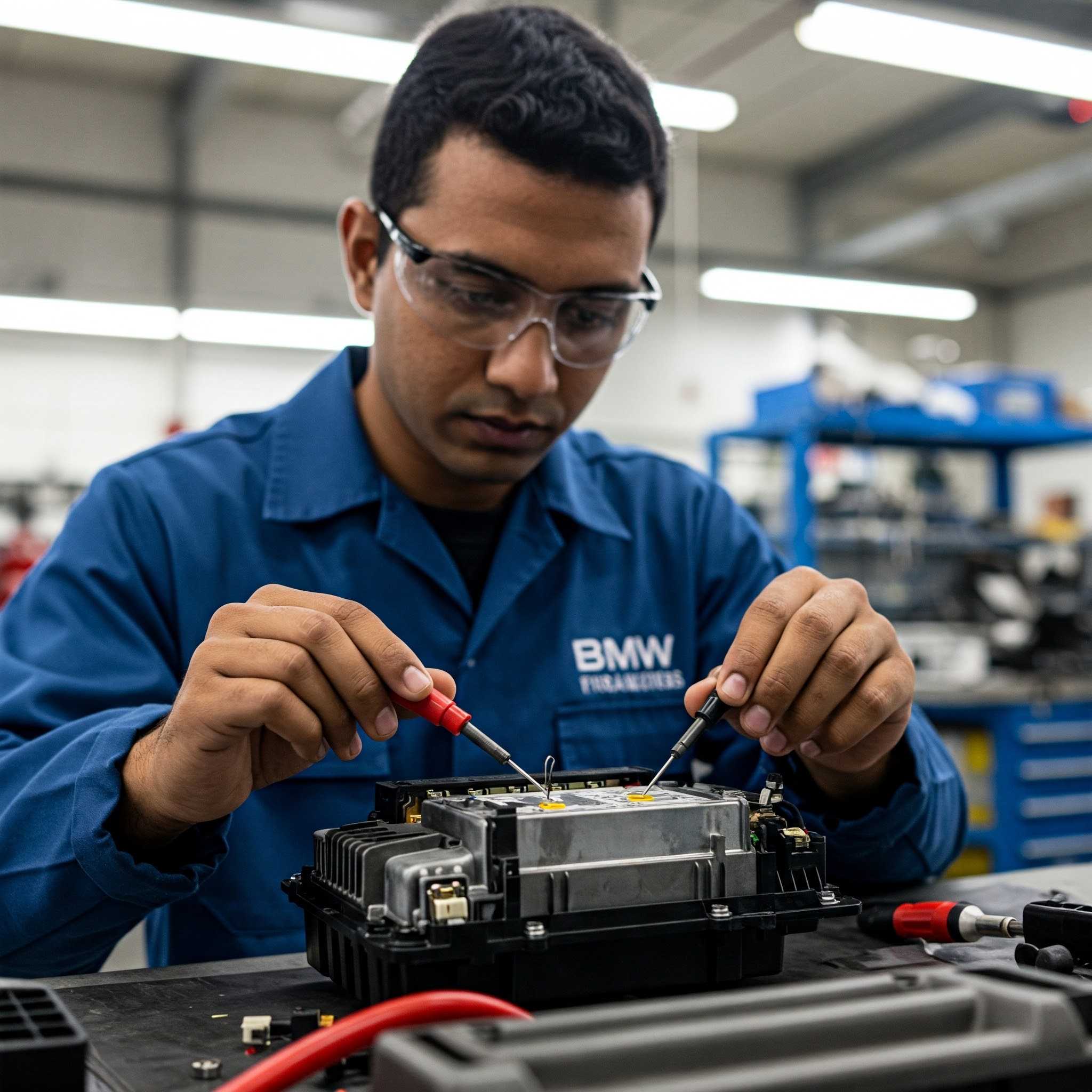
Keeping your BMW’s Footwell Module (FRM) in good shape doesn’t require a ton of work, but a little attention can go a long way. Think of it like preventative care for your car’s brain. Here are a few things you can do:
- Battery Health: Make sure your car battery is always in good condition. A weak or dying battery can cause voltage fluctuations that mess with the FRM. Get it checked regularly, especially if you notice any electrical weirdness.
- Software Updates: Keep your BMW’s software updated. BMW often releases updates that include fixes and improvements for various modules, including the FRM. These updates can address known issues and improve overall performance. Check with your local BMW dealership about software updates.
- Avoid Jump Starts: If possible, avoid jump-starting your car. Jump starts can send voltage spikes through the system, potentially damaging the FRM. If you must jump-start, follow the correct procedure carefully.
Signs That Maintenance Is Needed
Knowing when your FRM needs attention can save you from bigger headaches down the road. Here are some signs to watch out for:
- Erratic Lighting: If your headlights, taillights, or interior lights are acting strangely (flickering, staying on, or not turning on), it could be an FRM issue.
- Window and Door Problems: If your power windows or door locks are malfunctioning, the FRM might be to blame. These systems are often controlled by the FRM.
- Diagnostic Trouble Codes (DTCs): If your car throws error codes related to lighting, windows, or doors, have it checked out. A diagnostic scan can pinpoint FRM-related issues.
Long-Term Care For Your FRM Module
For the long haul, consider these points to help extend the life of your FRM:
- Professional Diagnostics: If you suspect an FRM issue, get a professional diagnosis. Don’t rely on guesswork. A qualified technician can accurately identify the problem and recommend the right solution. Consider a BMW FRM module repair if you are experiencing issues.
- Quality Repairs: If your FRM needs repair or replacement, use a reputable shop that uses quality parts and follows proper procedures. Skimping on repairs can lead to further problems.
- Avoid Water Damage: Protect your car from water damage. Water intrusion can corrode electrical components, including the FRM. Make sure your car’s seals and drainage systems are in good condition.
Taking these steps can help keep your BMW’s FRM module functioning properly, ensuring the reliability of your car’s electrical systems. Regular maintenance and prompt attention to any issues can prevent costly repairs and keep you on the road.
Wrapping It Up
So, if your BMW is acting up and you suspect the FRM module is the culprit, don’t stress. Finding a reliable repair service nearby can save you a lot of headaches. Whether it’s a minor glitch or a major failure, the right experts can get your car back in shape. Remember, it’s always better to address these issues sooner rather than later. You want your BMW running smoothly, and with the right help, it can be. Don’t hesitate to reach out for professional assistance and get back on the road with confidence.
Frequently Asked Questions
What is the FRM module in a BMW?
The FRM module, or Footwell Module, controls the electrical systems in your BMW, like the lights and windows.
What are some common problems with the FRM module?
Common issues include problems with lights not working, windows not moving, or other electrical failures.
How can I tell if my FRM module is failing?
Signs of a failing FRM module include flickering lights, windows that won’t open, or other electrical glitches.
Is it better to repair or replace the FRM module?
Repairing the FRM module is often cheaper and can restore its function, but sometimes replacement is necessary.
What should I expect during the repair process?
Expect an initial check to find the problem, followed by repairs, and then testing to make sure everything works.
How much will it cost to repair my FRM module?
Repair costs can vary, but they usually depend on the type of repair needed and the shop you choose.