Expert BMW Mechanic Parker CO: Find Your Trusted Specialist
So, you’ve got a BMW. Nice. They’re pretty sweet cars, right? But let’s be real, keeping a German luxury car running like it should isn’t like taking your average sedan to just any garage. You need someone who actually knows what they’re doing with these things. If you’re in Parker, Colorado, and your BMW is acting up, or just needs its regular check-up, finding the right mechanic is a big deal. You don’t want just anyone tinkering under the hood. We’re talking about precision engineering here, and you need a specialist, a real bmw mechanic parker co expert.
Key Takeaways
- BMWs have unique service needs due to their advanced engineering, requiring specialized knowledge beyond general auto repair.
- Regular preventive maintenance is key to keeping your BMW running smoothly and avoiding costly repairs down the line.
- Look for ASE-certified technicians and shops that invest in specialized diagnostic equipment for BMWs.
- Don’t ignore warning signs like dashboard lights or unusual noises; they indicate your BMW needs professional attention.
- Many independent shops offer dealership-level service for BMWs, often with more personalized attention and fair pricing.
Expert BMW Maintenance in Parker, CO
Keeping your BMW running smoothly isn’t just about getting from point A to point B; it’s about enjoying that signature driving feel. These cars are built with precision, and that means they need a specific kind of care. You can’t just take any car to any shop and expect them to know what your BMW needs. It’s like trying to fix a fancy watch with a hammer – it just doesn’t work.
Understanding Specialized BMW Service Needs
BMWs are engineered differently than your average car. They have complex electronic systems, powerful engines, and suspension setups designed for performance. This means the mechanics working on them need specialized training and tools. A regular mechanic might know how to change your oil, but do they know the specific fluid types and intervals for your particular BMW model? Probably not. Finding a shop that truly understands these German machines is key to keeping yours on the road for years to come. It’s about more than just fixing things when they break; it’s about proactive care.
The Importance of Preventive Maintenance
Think of preventive maintenance like going to the doctor for regular check-ups. You don’t wait until you’re really sick to see a doctor, right? The same applies to your BMW. Regular oil changes, fluid checks, and inspections can catch small issues before they turn into big, expensive problems. It saves you money in the long run and keeps your car performing at its best. Ignoring these simple steps is a gamble you don’t want to take with a car like a BMW.
Here’s a quick look at what preventive maintenance often includes:
- Oil and Filter Changes: Keeps your engine clean and lubricated.
- Fluid Checks: Coolant, brake fluid, power steering fluid – all need to be at the right levels and in good condition.
- Tire Rotation and Inspection: Ensures even wear and proper handling.
- Brake Inspections: Checking pads, rotors, and fluid.
- Battery Health Check: Prevents unexpected breakdowns.
Tailored Service Schedules for Your BMW
Your BMW didn’t come with a generic maintenance plan, and it shouldn’t get generic service. Different models, driving habits, and even the climate you drive in can affect what your car needs and when. A sporty M model might need different attention than a comfortable sedan. A mechanic who specializes in BMWs will know how to read your car’s service indicators and recommend a schedule that fits your specific vehicle and lifestyle. They’ll look at the manufacturer’s recommendations but also consider how you actually use your car.
Comprehensive BMW Repair Services
Engine Diagnostics and Performance Tuning
When your BMW isn’t running quite right, it’s easy to get worried. Modern BMWs have complex engines, and figuring out what’s wrong can be tricky. We use special tools to check your engine’s computer and find the root of the problem. Whether it’s a strange noise, a loss of power, or just not feeling as smooth as it used to, we can pinpoint the issue. This helps us make sure your engine is running at its best, giving you that smooth, powerful ride you expect from a BMW.
Transmission and Drivetrain Solutions
Your BMW’s transmission is a marvel of engineering, but like any part, it can need attention. If you’re noticing rough shifting, slipping gears, or any unusual sounds coming from your drivetrain, it’s important to get it checked out. We handle everything from routine transmission fluid changes to more involved repairs. Keeping your transmission and drivetrain in good shape means a better driving experience and can prevent bigger, more expensive problems down the road.
Brake System and Suspension Expertise
The feeling of control when you drive a BMW is partly due to its excellent brakes and suspension. If your brakes are squealing, feeling soft, or not stopping as quickly as they should, it’s a safety concern. We inspect your entire brake system, including pads, rotors, and fluid. Similarly, if your ride feels bumpy, your car pulls to one side, or you hear clunks over bumps, your suspension might need work. We can fix issues with shocks, struts, and other suspension components to restore that comfortable, stable ride.
Electrical System Troubleshooting
Modern cars are basically computers on wheels, and BMWs are no exception. From the infotainment system to the engine management, everything relies on a complex electrical network. When lights flicker, windows won’t roll down, or warning lights pop up unexpectedly, it’s often an electrical issue. Our technicians are skilled at tracing these problems through the wiring, sensors, and control modules to get your car’s electronics working correctly again. It’s a detailed job, but getting it right makes a big difference in how your car functions.
Dealing with car problems can be a hassle. Our goal is to make the repair process as straightforward as possible for you. We explain what’s going on with your BMW in plain terms and give you clear options so you can make informed decisions about the repairs.
Choosing a Trusted BMW Mechanic in Parker
Finding the right person to work on your BMW in Parker is a big deal. It’s not like picking a place to get your oil changed on any old car. BMWs are built differently, with complex systems that need a specific touch. You want someone who really gets what makes a BMW tick, not just someone who can follow a generic checklist. The goal is to find a mechanic who treats your car with the respect it deserves.
Why Dealership Alternatives Excel
Sure, the dealership has the BMW logo, but that doesn’t always mean they’re the best choice for every repair. Independent shops, especially those that focus on European cars, often provide a more personal experience. They might have lower overhead, which can translate to more reasonable prices for you. Plus, many independent mechanics have spent years working on BMWs and have developed a deep familiarity with them, sometimes even more so than a general dealership technician who might jump between brands. They can be a great way to get dealership-level service without the dealership price tag.
The Value of ASE-Certified Technicians
When you’re looking at a shop, see if their technicians have ASE certifications. This means they’ve passed rigorous tests and have proven their knowledge in specific areas of auto repair. For BMWs, you’d ideally want technicians who are certified in areas like engine repair, electrical systems, and brakes. It’s a good indicator that they have the skills to handle the intricate workings of your German-engineered vehicle. It’s a mark of professionalism and a sign they take their training seriously.
Customer-Centric Repair Experiences
What makes a repair shop truly stand out is how they treat you, the customer. A good mechanic will explain what’s wrong with your car in plain English, not just throw around technical terms. They should be upfront about costs and give you options if possible. You should feel comfortable asking questions and know that they’re not trying to sell you on repairs you don’t need. Honest communication and a clear explanation of the work performed are key.
A shop that prioritizes clear communication and customer education builds trust. When you understand what’s happening with your BMW and why certain repairs are necessary, you can make informed decisions about its care. This transparency is what separates a good mechanic from a great one.
Here’s what to look for in a top-notch BMW mechanic:
- Specialization: Do they focus on European or specifically BMW vehicles?
- Certifications: Are their technicians ASE-certified or have equivalent training?
- Reputation: Check online reviews and ask for recommendations from other BMW owners.
- Warranty: What kind of warranty do they offer on parts and labor?
- Equipment: Do they have the specialized tools and diagnostic equipment needed for BMWs?
Signs Your BMW Needs Professional Attention
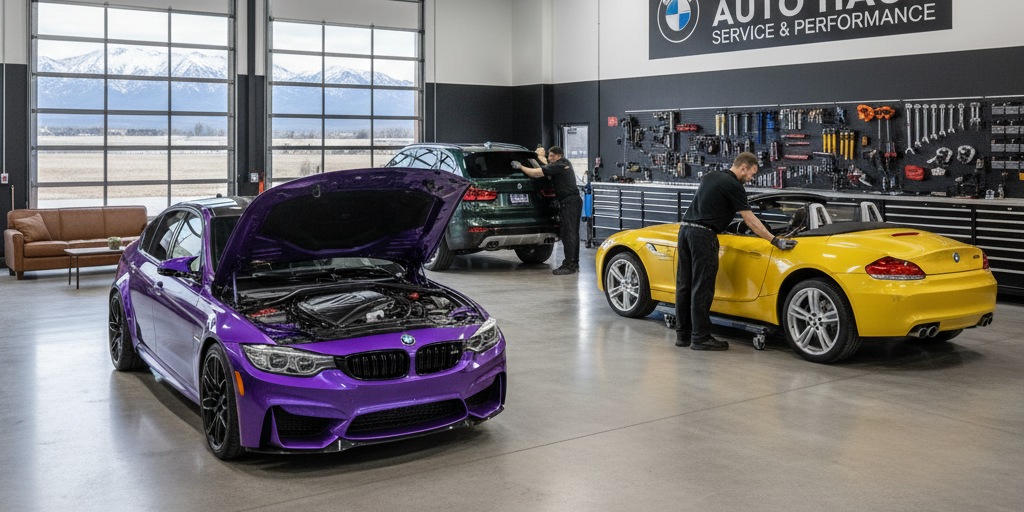
Even the most finely tuned machines can show signs that something isn’t quite right. Your BMW, with its sophisticated engineering, is no different. Paying attention to these signals can save you from bigger headaches and more expensive repairs down the road. It’s like listening to your body; if something feels off, it’s usually best to get it checked out.
Recognizing Dashboard Warning Lights
Those little lights on your dashboard aren’t just for decoration. They’re your car’s way of communicating directly with you. Some are minor, like a reminder for a routine check, but others can signal serious issues. Ignoring a persistent warning light is a gamble you don’t want to take with a BMW.
- Check Engine Light: This is the most common, but also the most vague. It could be anything from a loose gas cap to a major engine problem. Don’t ignore it; get it scanned.
- Oil Pressure Warning Light: This is serious. If this light comes on, stop driving as soon as it’s safe and have your car towed. Low oil pressure can quickly destroy your engine.
- Brake Warning Light: This could indicate low brake fluid or a more significant issue with your braking system. Your safety is paramount, so address this immediately.
- Battery Warning Light: This suggests a problem with your charging system, either the battery itself or the alternator. You don’t want to be stranded with a dead battery.
Addressing Unusual Engine and Driving Noises
Cars make noises, that’s a given. But when the sounds change or become distinctly unpleasant, it’s time to pay attention. A BMW is designed to run smoothly and quietly, so any jarring sounds are a red flag.
- Knocking or Pinging: Often heard during acceleration, this can indicate issues with fuel quality, ignition timing, or internal engine problems.
- Squealing or Grinding: Usually associated with braking, but can also indicate worn belts or other accessory issues. Grinding sounds, especially, are a sign of serious wear.
- Hissing: This might point to a leak in the cooling system or a vacuum leak, both of which can lead to overheating or performance issues.
- Rattling: Depending on where it’s coming from, a rattle could be a loose exhaust component, a heat shield, or something more concerning inside the engine or transmission.
Identifying Transmission and Braking Issues
These systems are critical for both performance and safety. Any hesitation, strange feel, or noise when shifting or braking should be investigated promptly.
- Rough Shifting or Slipping: If your gears feel clunky, or the transmission seems to slip out of gear, it’s a clear sign that the transmission needs attention. This can range from low fluid to internal damage.
- Delayed Engagement: When you put the car in drive or reverse and there’s a noticeable pause before it engages, that’s not normal.
- Brake Pedal Feel: A spongy or soft brake pedal, or a pedal that goes too close to the floor, means your braking system needs immediate inspection. Grinding or squealing when you brake is also a major concern.
Sometimes, the simplest issues can be the most overlooked. A strange smell, like burning rubber or a sweet, syrupy odor, can indicate leaks or overheating components that need immediate attention before they cause more damage. Don’t dismiss these sensory clues; they are your car’s way of telling you it needs help. Regular checks, even when things seem fine, are the best way to keep your BMW running as it should.
Specialized Care for BMW Models
BMW vehicles aren’t all the same, and a good mechanic knows that. Whether you’re cruising in a sleek sedan, hauling gear in an SUV, or pushing the limits in a high-performance M model, your car has specific needs. Different BMW models require different approaches to maintenance and repair. It’s not just about knowing BMWs; it’s about knowing the nuances of each line.
Servicing Sedans and SUVs
Your daily driver sedan, like a 3 Series or 5 Series, and your versatile SUV, such as an X3 or X5, have distinct operational demands. Sedans often prioritize a balance of comfort and sporty handling, while SUVs need robust suspension and drivetrain components to handle varied loads and conditions. A mechanic familiar with these differences can tailor service to keep your specific model performing as intended.
Expertise with M Performance Vehicles
BMW M models are built for the track and the road, with souped-up engines, advanced cooling systems, and performance-tuned suspensions. These cars demand a higher level of precision. Routine maintenance might involve more frequent fluid changes, specialized brake checks, and careful monitoring of engine performance parameters. Working on an M car is not the same as working on a standard model.
Maintaining Z4 Roadster Performance
The Z4 Roadster is all about the driving experience – responsive steering, agile handling, and the joy of open-air motoring. Keeping this experience alive means paying close attention to the suspension, steering, and convertible top mechanisms. Regular checks on these systems help prevent issues that could detract from the pure driving pleasure.
A mechanic who understands the specific design goals of each BMW model line can provide service that goes beyond generic recommendations. They know what to look for and how to keep your particular BMW at its best, whether it’s for daily commuting or spirited driving.
Advanced Diagnostics for Your BMW

Modern BMWs are packed with sophisticated electronics and complex systems. Keeping them running smoothly means having the right tools and know-how to figure out what’s going on under the hood, or more accurately, under the dashboard. That’s where advanced diagnostics come in. It’s not just about plugging in a scanner; it’s about interpreting the data and understanding how all the different parts of your car talk to each other.
Utilizing State-of-the-Art Equipment
Think of diagnostic equipment as the eyes and ears for your mechanic. The latest tools can read hundreds of different sensors and modules within your BMW. This isn’t like the old days of just listening to an engine. We’re talking about specialized computers that can communicate directly with your car’s brain, the Engine Control Unit (ECU), and other control modules. This allows us to see real-time data, like fuel pressure, engine temperature, and even the tiny adjustments the car is making to its systems. Having the right equipment means we can pinpoint issues faster and more accurately. It’s a big reason why going to a shop that specializes in European cars, like Edelweiss Euro, makes a difference. They invest in the specific tools BMWs need.
Accurate Diagnosis of Complex Systems
BMW vehicles often have intricate systems, from adaptive suspensions to advanced infotainment. When something goes wrong, it might not be a simple mechanical failure. It could be a communication error between modules, a faulty sensor sending bad information, or a software glitch. Advanced diagnostic tools help us untangle these complex relationships. We can check for fault codes, yes, but we also look at live data streams to see how systems are behaving under different conditions. This helps us avoid guessing and instead focus on the actual problem. It means we’re not just replacing parts hoping to fix it; we’re fixing the root cause.
Ensuring Precision Repairs
Once we have an accurate diagnosis, the next step is making sure the repair is done right. Precision is key with BMWs. A small misadjustment or an incorrectly installed part can lead to bigger problems down the road. Our diagnostic process doesn’t end with finding the issue; it guides the repair. We use the information gathered to perform targeted fixes, whether it’s recalibrating a sensor, updating software, or replacing a specific component. This methodical approach means your BMW gets fixed correctly the first time, keeping it performing like the luxury vehicle it is.
Keeping Your BMW Running Smoothly in Parker
So, you’ve got a BMW and you live around Parker, CO. That means you probably care about how your car drives and looks. Finding the right place to get it fixed when something goes wrong is a big deal. It’s not like fixing up an old pickup truck; these cars need special attention. We’ve talked about why it’s smart to go with a shop that really knows BMWs, not just any mechanic. Remember, regular check-ups can save you headaches and cash down the road. Whether it’s a simple oil change or something more serious, picking a good specialist means your car stays a BMW. Take your time, do a little looking around, and you’ll find a shop that treats your car right.
Frequently Asked Questions
Do I have to go to the BMW dealer for service?
Nope! You can get top-notch service for your BMW at specialized shops. These places often have the right tools and know-how, just like a dealership, but might offer a more personal touch.
How often should I get my BMW checked?
Generally, it’s a good idea to get your BMW serviced about every 10,000 miles or once a year. But, it’s always best to look in your car’s manual for the exact schedule recommended for your specific model.
What makes a BMW specialist different from a regular mechanic?
Specialists focus on European cars like BMWs. This means they have special tools and training for these complex vehicles that general repair shops might not have.
Can I get my BMW serviced at any location?
If a shop has multiple locations, they usually can service your BMW at any of them. It’s good to confirm with the shop if both their Parker and Aurora locations are equipped for BMWs.
What are some signs my BMW might need fixing?
Watch out for lights on your dashboard, strange noises from the engine, trouble shifting gears, brakes that squeak or grind, or if your car is getting too hot. If you see any of these, it’s time for a check-up.
Why is regular maintenance important for my BMW?
Keeping up with regular service helps your BMW run its best, keeps important parts from breaking down too soon, can save you money on big repairs later, and makes your drive smoother and safer.