


Finding the Right BMW Specialist: Expert Care for Your Ultimate Driving Machine
So, you’ve got a BMW, and you want to keep it running like the day it rolled off the lot. It’s not always easy to find a mechanic who really gets these cars, especially without paying a fortune. But as we’ve seen, it’s totally doable. Look for those certifications, check out what other drivers are saying, and don’t be afraid to ask questions. A good independent shop can offer the same quality work as a dealership, often for a lot less. Building a relationship with a mechanic who knows your car inside and out means fewer headaches and a better-maintained Ultimate Driving Machine for years to come. It’s worth the effort to find that trusted expert.
Key Takeaways
- BMW cars are built differently, so general mechanics might not have the right tools or know-how for proper repairs.
- Look for mechanics with ASE certifications or specific BMW training programs.
- Make sure the shop uses advanced diagnostic tools and genuine BMW parts for the best results.
- Independent BMW specialists often provide top-notch service at a lower cost than dealerships.
- Always get written estimates and compare quotes to find good value without sacrificing quality.
Understanding the Need for a BMW Specialist
Why General Mechanics Fall Short for BMWs
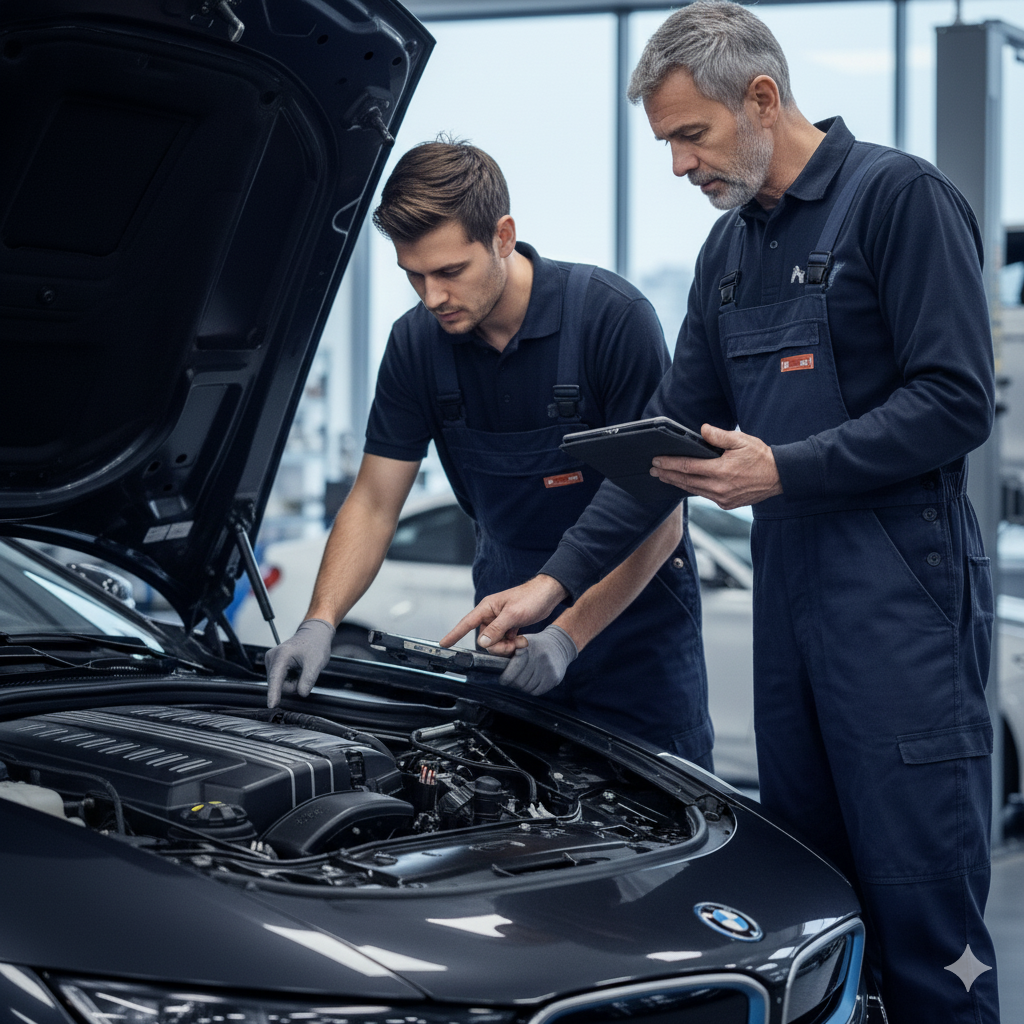
So, you’ve got a BMW. That means you’re driving something pretty special, right? These cars are built differently than your average sedan or SUV. They have complex electrical systems, unique engine designs, and a whole lot of sophisticated tech packed in. A regular mechanic might be great with a Toyota or a Ford, but when it comes to a BMW, it’s a different ballgame entirely. They might not have the specific training or the right tools to properly diagnose and fix issues. Trying to save a buck by going to a general shop could end up costing you more in the long run if they make a mistake or can’t figure out the problem.
The Unique Engineering of BMW Vehicles
BMWs are renowned for their performance and engineering. They use advanced systems, like their iDrive infotainment and complex engine management, that require specific knowledge. Unlike many other cars, BMWs often have unique components and require specialized procedures for maintenance and repair. This intricate design means that a one-size-fits-all approach to car care just won’t cut it.
The Importance of Specialized Knowledge
Finding a mechanic who truly understands BMWs is key. General mechanics might be able to handle basic tasks, but they often lack the in-depth knowledge needed for BMW’s specific systems. This can lead to misdiagnoses, incorrect repairs, and potentially more damage. A BMW specialist, on the other hand, has dedicated training and experience with these vehicles.
- Certifications: Look for mechanics with official BMW training or ASE certifications.
- Tools: Specialists have the advanced diagnostic equipment designed specifically for BMWs.
- Experience: They’ve seen and fixed a wide range of BMW models and issues.
Relying on a general mechanic for complex BMW issues can be a gamble. You might save a little upfront, but the risk of further damage or incomplete repairs is significant. A specialist ensures your car gets the precise care it needs.
Identifying a Trusted BMW Mechanic
Certifications and BMW-Specific Training
When you’re looking for someone to work on your BMW, you want to know they actually know what they’re doing. It’s not like fixing up an old lawnmower; these cars are complex machines. A good sign is if the technicians have official certifications. Things like ASE certifications are a good start, showing they’ve passed some general automotive knowledge tests. But for a BMW, you really want to see if they’ve gone the extra mile. Have they completed specific training programs directly from BMW? Some shops will even list these on their websites or display them in their waiting area. This kind of specialized training means they’re up-to-date on the latest BMW technology and repair procedures. It’s like a doctor specializing in a certain field – you want the heart surgeon for your heart problem, not the general practitioner.
The Role of Advanced Diagnostic Tools
Modern BMWs are packed with computers and sensors. Figuring out what’s wrong often requires more than just a good ear and a wrench. A shop that’s serious about BMWs will have invested in the right diagnostic equipment. Think of tools like the BMW ISTA (Integrated Service Technical Application) system. This is the same software dealerships use. It plugs into your car’s computer and can pinpoint issues much faster and more accurately than guesswork. If a shop is still relying on older, generic diagnostic tools, they might miss the real problem or suggest repairs that aren’t actually needed. Asking about their diagnostic equipment is a simple way to gauge their commitment to quality BMW service.
Experience with Various BMW Models
BMW has been making cars for a long time, and they’ve made a lot of different models. From the sporty Z4 to the family-friendly X5, and all the different 3 Series and 5 Series sedans in between, each has its own quirks. A mechanic who has only ever worked on a few older models might not be as familiar with the newer ones, especially those with hybrid or electric powertrains. It’s a good idea to ask how long they’ve been working on BMWs and if they have experience with the specific model and year you drive. Some shops even specialize further, focusing on performance BMWs or older, classic models. Knowing they have hands-on experience with cars like yours can give you a lot of peace of mind.
The Critical Role of Genuine Parts

Why OEM Parts Matter for BMWs
When you bought your BMW, you invested in a car built with precision and specific engineering. That means the parts used to build it were chosen carefully by BMW. These are called Original Equipment Manufacturer (OEM) parts. They are made to the exact same standards and specifications as the parts that came on your car from the factory. Using OEM parts means you’re keeping your BMW as close to its original design as possible. This helps maintain its performance, handling, and overall feel. It’s like using the right ingredients for a complex recipe; the results are just better when everything is meant to be together.
Risks of Using Aftermarket Components
It can be tempting to go for cheaper, aftermarket parts when something needs replacing. Sometimes they look the same, and the price tag is certainly appealing. However, this can be a gamble. Aftermarket parts aren’t always made with the same quality control as OEM parts. They might not fit perfectly, which can cause stress on other components. They might also wear out much faster, meaning you’ll be back replacing them sooner than you’d expect. In some cases, a poorly made part can even cause damage to other, more expensive systems in your car. Think about it: a cheap brake pad that wears out quickly could damage your rotors, costing you more in the long run.
Ensuring Longevity with the Right Parts
So, how do you make sure your BMW stays in top shape for years to come? It really comes down to using the right parts. A good BMW specialist understands this. They know which parts are OEM and why they are important. They also know which aftermarket brands, if any, meet acceptable quality standards for specific repairs.
Here’s what using the right parts helps with:
- Maintains Performance: Keeps your engine, transmission, and suspension working as the engineers intended.
- Improves Reliability: Reduces the chance of unexpected breakdowns and costly repairs.
- Preserves Resale Value: A car with a history of using genuine parts is often worth more.
- Safety: Critical components like brakes and steering rely on parts that perform exactly as designed.
Choosing between OEM and aftermarket parts isn’t just about saving a few dollars today. It’s about the long-term health and performance of your vehicle. A specialist will guide you on the best choice for your specific situation, balancing cost with quality and reliability.
When you take your BMW to a specialist, they’ll typically use OEM parts for most repairs. If an aftermarket part is a suitable and cost-effective option, they’ll usually let you know and explain why. This transparency helps you make an informed decision about your car’s care.
Comprehensive Services Offered by Specialists
Routine Maintenance Essentials
Keeping your BMW running like the day you bought it means sticking to a regular maintenance schedule. This isn’t just about oil changes, though those are super important, using the right kind of oil and filter, of course. It also includes checking and topping off all the vital fluids – think coolant, brake fluid, and transmission fluid. Replacing filters, like the air filter for the engine and the cabin filter for your air, makes a big difference in how your car performs and how fresh the air is inside. Tire rotations and making sure they’re properly inflated, along with wheel alignments, help your tires last longer and keep your car handling right. It’s the kind of work that prevents bigger headaches down the road.
Expertise in Complex Repairs
When something more serious pops up, that’s where a BMW specialist really earns their keep. Modern BMWs have really complicated electrical systems, and figuring out what’s wrong can be tough. Specialists have the specific tools and training to get to the bottom of these issues. Engine problems, transmission troubles, or suspension quirks are also their bread and butter. They can handle things like cooling system issues or AC repairs, making sure your car is comfortable no matter the weather. If your check engine light is on, they can usually figure it out faster and fix it right the first time.
Performance Upgrades and Modifications
For those who want a little more from their Ultimate Driving Machine, specialists can help with that too. Whether you’re looking for a slight boost in power or want to tweak the handling for a sportier feel, they can guide you through the options. This could involve anything from exhaust system upgrades to suspension tuning. They understand how these changes affect the car’s overall performance and can make sure any modifications are done safely and correctly, keeping your BMW’s balance and reliability in mind.
Finding Value with Independent BMW Shops
Affordability Compared to Dealerships
Let’s be real, BMWs aren’t exactly budget cars, and neither is their upkeep. Many owners automatically assume the dealership is the only place to go for service, but that often means paying a premium. Independent BMW specialists, however, can offer a really attractive alternative. They typically charge significantly less than dealerships – we’re talking savings of 30-60% on many services. How do they do it? It’s mostly about overhead. Dealerships have massive facilities, huge staffs, and all sorts of corporate costs that get passed on to you. Independent shops are leaner, which means they can pass those savings directly to your wallet. You can often find great BMW repair services in Toronto by looking at these independent shops.
Warranties and Guarantees on Repairs
Now, just because an independent shop is cheaper doesn’t mean they skimp on quality or backing their work. A good specialist will offer warranties that are just as good as, or even better than, what you’d get at a dealership. Look for coverage like 2-year/24,000-mile or even 3-year/36,000-mile warranties on both parts and labor. Some places even offer unlimited mileage within a certain period. This shows they stand behind their repairs. If a shop is hesitant to offer a solid warranty, that’s a pretty big red flag. You want to know your investment is protected.
What to Watch Out For with Cheap Services
While saving money is great, you’ve got to be smart about it. “Cheap” should never mean “cutting corners.” If a price seems too good to be true, it probably is. Here are a few things to keep an eye on:
- Hidden Fees: Always ask about extra charges like “shop supplies” or “environmental fees.” A good shop will be upfront about these.
- Part Quality: Make sure they’re using Original Equipment Manufacturer (OEM) parts or high-quality alternatives. Using cheap, knock-off parts can cause more problems down the road.
- Technician Skill: Are the mechanics certified or specifically trained on BMWs? A generic mechanic might not have the specialized knowledge your car needs.
- Diagnostic Tools: Does the shop have the proper BMW-specific diagnostic equipment? Generic tools just won’t cut it for these complex cars.
When comparing repair estimates, always get a written, itemized quote. This breaks down exactly what you’re paying for – labor, parts, and any other fees. It makes it easy to compare different shops and understand the value you’re getting. Don’t just look at the bottom line; consider the whole package: the warranty, the quality of parts, and the technician’s qualifications. That’s how you find true value, not just a low price.
It’s also a good idea to compare at least three different shops. This helps you get a feel for pricing and what different mechanics recommend. Sometimes, a slightly higher quote might include better parts or a longer warranty, which can save you money in the long run. Finding the right independent shop is about balancing cost with quality care for your Ultimate Driving Machine.
Building a Relationship with Your BMW Specialist
The Benefits of a Long-Term Partnership
Finding a great BMW specialist is one thing, but sticking with them? That’s where the real magic happens for your car. When you find a shop you trust, you’re not just getting a one-off repair; you’re setting up a long-term plan for your BMW’s health. Think about it: they start to learn your car’s quirks, its history, and how you drive it. This kind of familiarity means they can often spot potential issues before they become big, expensive problems. It’s like having a doctor who knows your medical history inside and out – they can make much better recommendations.
Trust and Transparency in Service
This is a big one. You want to feel confident that when you bring your BMW in, you’re getting honest advice and fair pricing. A good specialist will take the time to explain what’s wrong, why it’s wrong, and what needs to be done. They should be able to show you the worn-out part, or at least provide clear photos and detailed explanations. No one likes feeling like they’re being upsold or that there are hidden costs. Transparency builds trust, and trust is the foundation of any good relationship.
Here’s what to look for:
- Clear, itemized estimates before any work begins.
- An explanation of why a repair is needed, not just that it is.
- Honest answers to your questions, even if they’re simple.
- No surprise charges on your final bill.
Ensuring Consistent Care for Your Vehicle
Owning a BMW is about enjoying a specific driving experience. Keeping that experience consistent year after year requires ongoing, knowledgeable care. When you have a regular specialist, they’re not just fixing things; they’re actively managing your car’s maintenance schedule. They know when your specific model might need certain services done a bit earlier than the manual suggests, based on their experience with other similar cars. This proactive approach means your BMW stays in top shape, performing as it should and holding its value better. It’s about more than just repairs; it’s about preserving the ultimate driving machine you invested in.
Keep Your Ultimate Driving Machine Running Strong
So, you’ve got a BMW, and you want to keep it running like the day it rolled off the lot. It’s not always easy to find a mechanic who really gets these cars, especially without paying a fortune. But as we’ve seen, it’s totally doable. Look for those certifications, check out what other drivers are saying, and don’t be afraid to ask questions. A good independent shop can offer the same quality work as a dealership, often for a lot less. Building a relationship with a mechanic who knows your car inside and out means fewer headaches and a better-maintained Ultimate Driving Machine for years to come. It’s worth the effort to find that trusted expert.
Frequently Asked Questions
Why can’t just any mechanic fix my BMW?
BMWs are built with special parts and fancy computer systems. Regular mechanics might not have the right tools or know-how to fix these things without causing more problems. Specialists have the special tools and training just for BMWs, making sure repairs are done right the first time.
Why do BMWs need special parts?
It’s super important to use parts made specifically for BMWs, called OEM parts. Using cheaper, off-brand parts can mess up your car’s systems and lead to bigger, more expensive problems later on. Specialists always use the right parts to keep your BMW running perfectly.
How can I tell if a BMW mechanic is good?
Look for mechanics who have certifications like ASE or have gone through BMW’s own training programs (like STEP). Also, check online reviews to see what other BMW owners say. A good shop will be clear about prices and explain what needs to be done.
Are independent BMW shops cheaper than dealerships?
Independent shops usually cost less than dealerships because they don’t have as many extra costs. They often charge about 30% to 60% less. You can still get great service and quality work without paying the higher dealership prices.
Do independent BMW mechanics offer warranties?
Yes, many independent BMW specialists offer warranties on their work, sometimes even better than what dealerships provide. Always ask about their warranty policy before agreeing to any repairs.
What are the risks of using cheap, non-OEM parts?
Using cheap parts can be a gamble. They might not fit right, wear out quickly, or not work as well as they should. This can cause more damage to your car and end up costing you more money in the long run.